
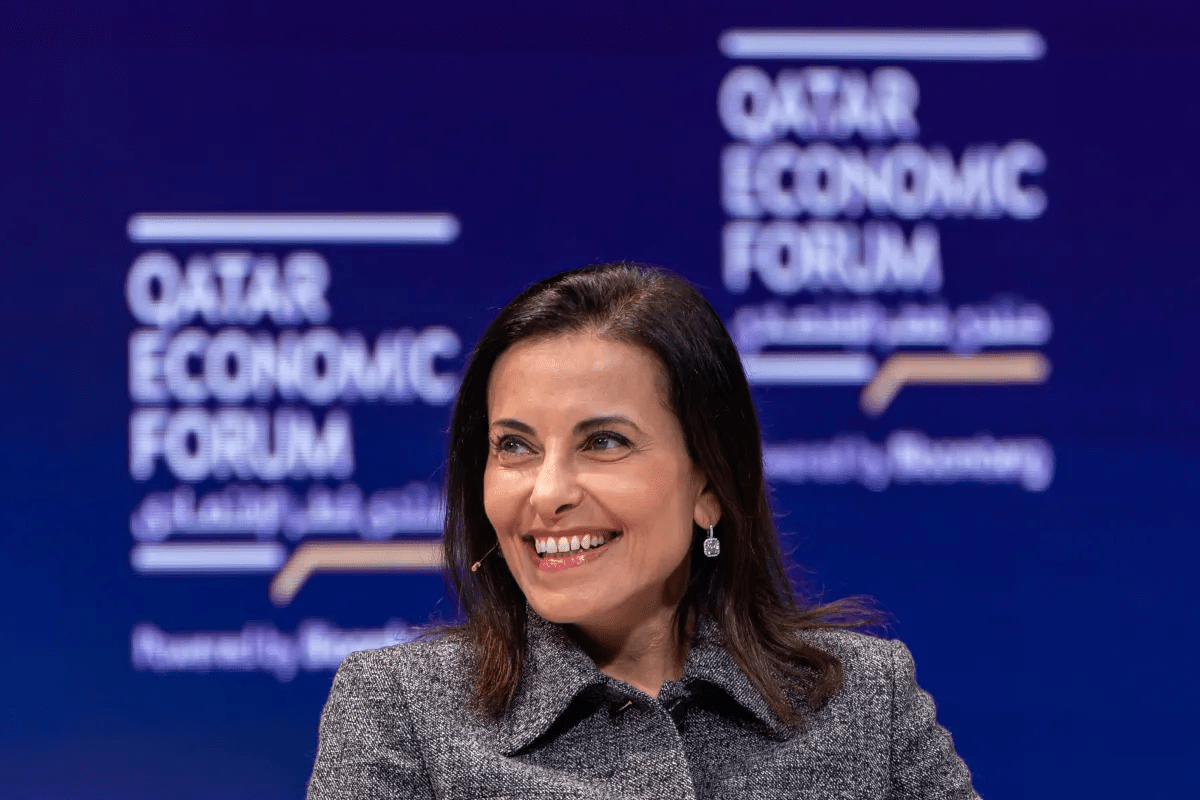
Meta hires Dina Powell McCormick as president and vice chair
Meta has moved decisively to reshape its leadership bench. The company has appointed Dina Powell McCormick as president and vice chair. This decision places a seasoned global operator at the center of Meta’s strategic execution.
The appointment positions Powell McCormick as a member of Meta’s management team. Her role includes guiding overall strategy and execution. For Meta, this signals a clear intent to strengthen governance, leadership depth, and global alignment at a critical moment.
This leadership shift is not symbolic. It is operational. Meta is tightening the link between strategy, execution, and external engagement. That alignment matters for a company operating at global scale.
Why Meta appointed Dina Powell McCormick to its top leadership
Meta’s CEO highlighted Powell McCormick’s background in global finance and international relationships. According to the company, this experience makes her uniquely suited to support Meta’s next phase of growth.
Her career spans senior roles in finance and government. She served as deputy national security advisor to President Donald Trump. She also worked under Secretary of State Condoleezza Rice during the George W. Bush administration. In addition, she spent 16 years at Goldman Sachs as a partner in senior leadership roles.
This blend of policy, finance, and leadership experience is rare. Meta appears to be betting on that range to manage complexity across markets, regulators, and stakeholders.
What this leadership move signals about Meta’s strategy
The decision reflects a broader pattern. Meta is reinforcing its leadership team with individuals experienced in government, trade, and corporate governance. The company recently hired Curtis Joseph Mahoney, a former Microsoft legal executive and former deputy U.S. trade representative.
Together, these hires point to a more execution-focused leadership model. Meta is clearly prioritizing structured decision-making, external navigation, and strategic discipline. For a company of Meta’s scale, leadership credibility and global relationships are operational assets.
For organizations tracking governance and leadership trends, this move offers a clear signal. Strategic execution increasingly depends on leaders who can operate across corporate and public domains. Businesses exploring similar transitions can study such moves closely through strategic perspectives shared at https://uttkrist.com/explore/.
Leadership decisions and broader business implications
Senior appointments at this level affect more than internal operations. They shape how partners, regulators, and markets interpret a company’s direction. Meta’s leadership choices suggest a focus on stability, execution, and global credibility.
For business leaders, this reinforces a core lesson. Growth phases demand leaders who combine strategic clarity with external trust. Companies assessing leadership alignment and execution readiness can explore enabling frameworks and global advisory perspectives at https://uttkrist.com/explore/.
As leadership dynamics continue to evolve across technology firms, one question remains open: how will this leadership structure influence Meta’s long-term strategic execution?
Explore Business Solutions from Uttkrist and our Partners’, https://uttkrist.com/explore