
Chinese EV Imports in North America: Canada’s Policy Shift Raises US Questions
Canada’s decision to allow Chinese electric vehicle imports marks a notable policy shift. The move has reopened questions about whether the United States could eventually follow a similar path. The announcement highlights trade-offs between tariffs, domestic industry protection, and global electric vehicle supply dynamics. As a result, Chinese EV imports have become a central topic for policymakers, automakers, and investors across North America.
Canada’s prime minister confirmed a deal with China to reduce tariffs on electric vehicles. In exchange, China will lower duties on Canadian canola products. Under this agreement, Canada will initially allow up to 49,000 Chinese EVs at a tariff rate of 6.1 percent. However, the government has not clarified the implementation timeline. Even so, the scale of the decision signals a potential recalibration of Canada’s approach to Chinese EV imports.
Why Canada Is Opening the Door to Chinese EV Imports
Canada’s move reflects broader pressures within the global electric vehicle market. China produces more electric vehicles than almost any other country combined. Chinese automakers have mastered the production of low-cost EVs, a segment that competitors in other countries have struggled to match. Consequently, intense price competition within China has driven manufacturers to export vehicles abroad to reduce excess inventory.
In this context, Chinese EV imports offer Canada access to affordable electric vehicles. At the same time, the tariff reduction is tied directly to trade concessions in agriculture. This structure suggests a strategic trade negotiation rather than a purely industrial policy decision. Therefore, the Canadian case shows how Chinese EV imports are becoming entangled with broader economic diplomacy.
The US Position on Chinese EV Imports Remains Unclear
Shortly before Canada’s announcement, the US president indicated openness to Chinese automakers entering the American market. He stated that Chinese companies would be welcome if they build factories in the United States and hire American workers. This statement stands alongside an ongoing trade war with China and long-standing concerns about protecting domestic automakers.
As a result, Chinese EV imports into the US face significant hurdles. While political signals suggest flexibility, structural barriers remain. These include trade tensions, domestic industry pressure, and national security considerations. Therefore, Canada’s policy change does not automatically translate into a similar US outcome.
Lessons From Mexico’s Experience With Chinese EV Imports
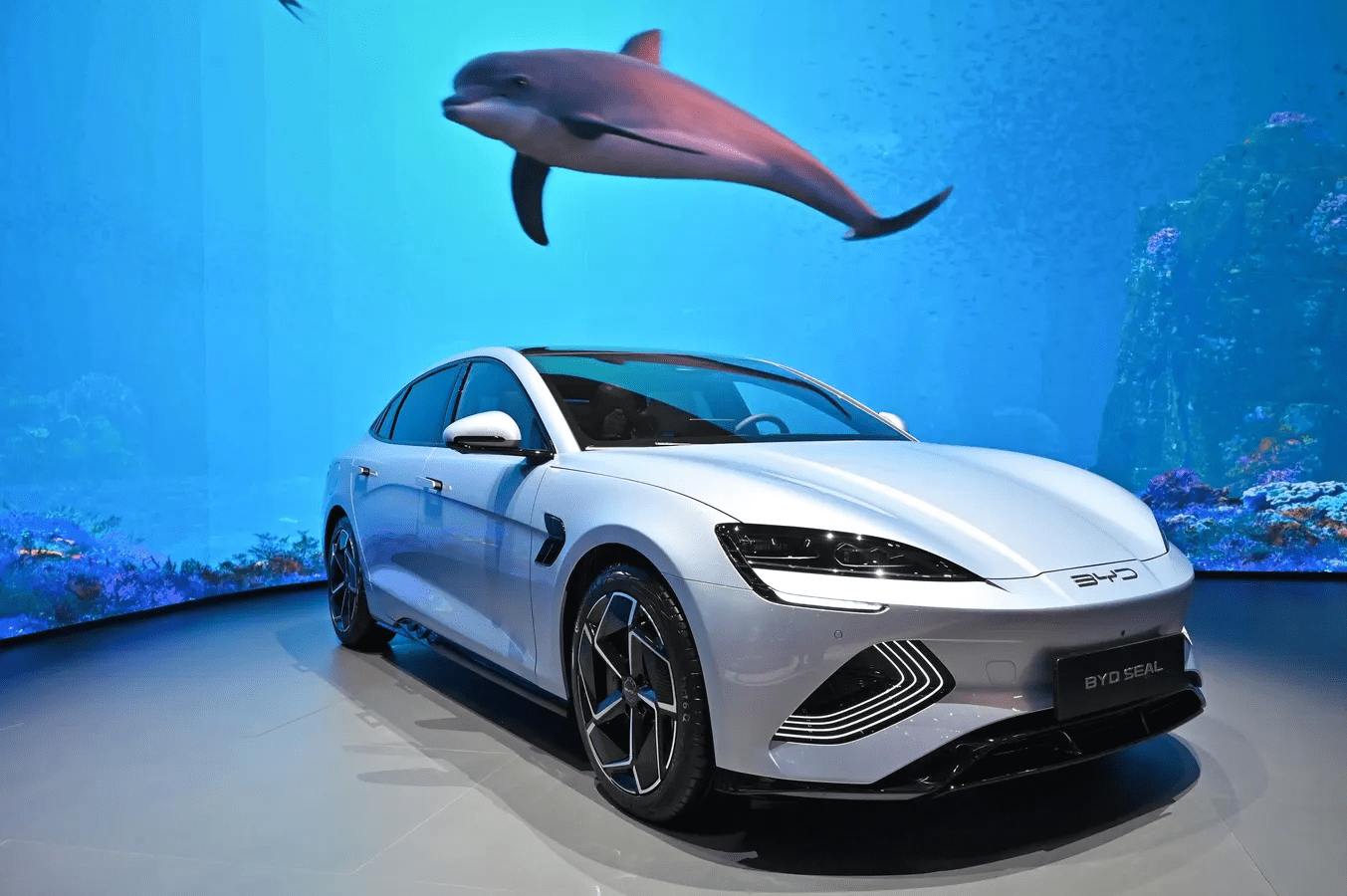
Canada is not the first North American country to permit Chinese auto imports. Mexico has allowed Chinese vehicles for several years, including brands such as BYD, Chery, and Neta. Some Chinese manufacturers have even explored building factories in Mexico, although certain plans are currently paused.
This experience demonstrates that Chinese EV imports can coexist with regional auto markets. However, it also shows that local manufacturing decisions are influenced by political and economic uncertainty. Consequently, the Mexican example provides context but does not guarantee a smooth path for Chinese EV imports into the US.
Strategic Implications for North America’s EV Market
The rise of Chinese EV imports forces North American policymakers to confront difficult choices. Affordable EVs could accelerate adoption and support climate goals. At the same time, domestic automakers worry about competitive pressure from lower-cost vehicles. Balancing these factors will shape future trade and industrial policies.
In this environment, businesses operating across borders must adapt to shifting regulatory signals. Exploring structured, global advisory support can help organizations navigate these changes. Explore the services of Uttkrist. Our services are global in nature and highly enabling for businesses of all types. Drop an inquiry in your suitable category: https://uttkrist.com/explore/.
As Canada proceeds with its policy shift, attention will remain on whether the US recalibrates its stance on Chinese EV imports. Will economic pragmatism outweigh protectionist concerns, or will barriers persist?
Explore Business Solutions from Uttkrist and our Partners’, https://uttkrist.com/explore