
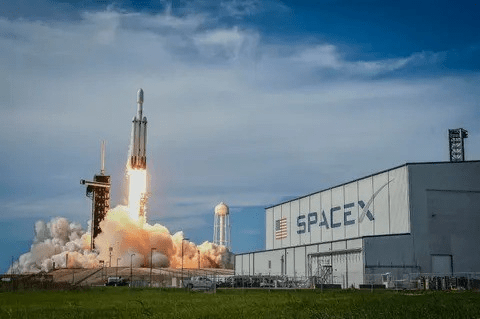
SpaceX IPO Signals a Turning Point for Private Market Liquidity
How the SpaceX IPO reshapes private market liquidity dynamics
The SpaceX IPO discussion has become a defining signal for global capital markets. After years of limited public listings, SpaceX is reportedly engaging major Wall Street banks for a potential 2026 debut. This development matters because it reflects shifting sentiment across private and public markets.
At the same time, liquidity is already forming outside public exchanges. SpaceX employees and early shareholders are accessing capital through an expanding secondary market. This dual-track approach highlights how mature private companies now balance long-term private growth with selective liquidity options.
For investors, the SpaceX IPO represents more than a single listing. It signals renewed confidence in high-scale private companies that historically would have gone public much earlier. As a result, attention is moving toward how value is discovered before any formal offering.
Secondary markets fill the liquidity gap before a SpaceX IPO
The prolonged IPO slowdown has pushed companies like SpaceX to remain private far longer than historical norms. According to market participants, this delay has intensified demand for secondary transactions. Employees, founders, and early investors often hold concentrated equity positions. Liquidity, therefore, becomes a strategic necessity rather than a convenience.
Secondary markets now address this need. In SpaceX’s case, structured tender offers and special purpose vehicles allow economic ownership to change without altering the company’s cap table. Consequently, liquidity emerges while governance control remains intact.
This trend continues to grow because more enterprise value now sits in private markets. Even if a SpaceX IPO proceeds, secondary activity is unlikely to slow. Instead, it may attract broader interest in other late-stage private companies seeking similar mechanisms.
Why the SpaceX IPO is viewed as a market bellwether
Market observers increasingly describe SpaceX as a bellwether company. The IPO market has lacked a defining catalyst since 2021. SpaceX, by contrast, commands sustained investor interest even during downturns. Its secondary pricing has continued to rise, often exceeding previous tender valuations.
Such pricing behavior suggests strong demand ahead of any listing. It also reinforces the idea that private price discovery is happening well before public roadshows. For investors, this reduces uncertainty. For companies, it improves efficiency if and when they approach public markets.
As a result, a SpaceX IPO could reset expectations across sectors, especially for companies with comparable scale and influence.
Capital strategy and control considerations around a SpaceX IPO
Opening to public markets introduces new considerations. SpaceX has historically maintained strict controls over its shareholder base. National security concerns and ownership transparency remain central issues.
A public offering, if limited in size, may address these risks while unlocking broader capital access. Public disclosure would also provide visibility into ownership without necessarily diluting operational control. Market participants expect that leadership control would remain concentrated even after a listing.
This balance explains why timing remains flexible. If market conditions weaken, SpaceX may choose to stay private. If conditions remain favorable, the IPO becomes a strategic option rather than an obligation.
Private valuation, public perception, and leadership influence
Valuation expectations around a SpaceX IPO reflect more than balance sheets. Investors often price leadership credibility into future growth narratives. This dynamic can create premium multiples, particularly for companies with integrated business models and ambitious long-term visions.
However, this premium also introduces tension. Some investors remain cautious about pricing based on future potential rather than demonstrated outcomes. These debates will likely intensify as any IPO timeline becomes clearer.
Still, the sustained interest indicates confidence in SpaceX’s long-term position across its core businesses.
What the SpaceX IPO means for private market participants
Beyond SpaceX, the broader implication is clear. Private companies increasingly use secondary markets to achieve price discovery and investor engagement well before going public. This approach reduces reliance on compressed IPO marketing windows and improves valuation clarity.
For founders, employees, and investors navigating these transitions, understanding private liquidity mechanisms is now essential. Explore the services of Uttkrist. Our services are global in nature and highly enabling for businesses of all types. Drop an inquiry in your suitable category: https://uttkrist.com/explore/
As capital markets evolve, the SpaceX IPO may mark a structural shift rather than a one-off event. The question remains: how many private giants will follow this path before redefining the boundaries between private and public markets?
Explore Business Solutions from Uttkrist and our Partners’, https://uttkrist.com/explore