
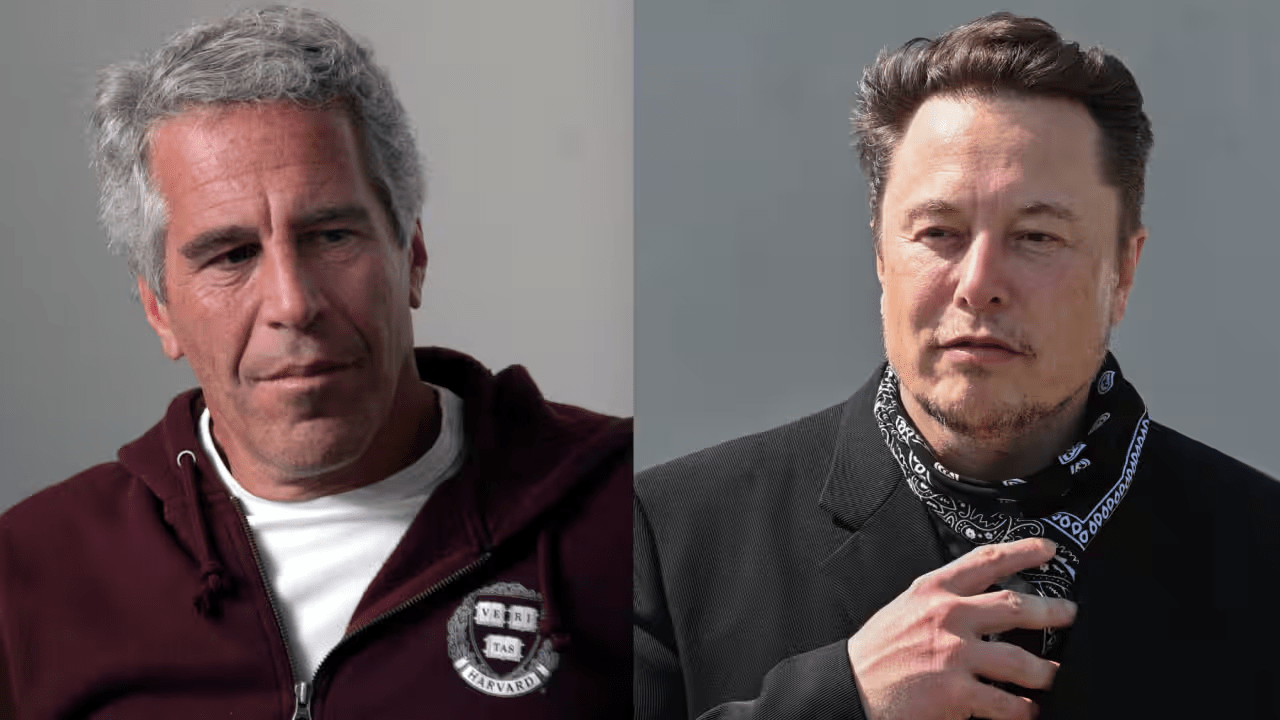
Elon Musk Jeffrey Epstein Emails Reveal Years of Planning and Contact
Justice Department files outline repeated communication and proposed meetings
Newly released Justice Department records detail years of email contact between Elon Musk and Jeffrey Epstein. The files cover exchanges from 2012 to 2014. They document discussions about social visits, travel timing, and proposed meetings. The records also include references to Epstein visiting SpaceX in California.
The documents matter because they contrast with Musk’s public statements. Musk has said he refused to visit Epstein’s private island and described Epstein as a “creep.” However, the emails show repeated coordination attempts. These include suggested dates, locations, and transportation arrangements. Some plans progressed into detailed scheduling. Still, the records do not confirm whether certain visits actually occurred.
This disclosure has renewed scrutiny of how business leaders managed personal associations. It also raises questions about transparency once official records become public. For business audiences, the issue is not rumor. It is documented correspondence released by federal authorities.
Emails show repeated planning for Caribbean visits
The email trail shows Epstein repeatedly inviting Musk to the Caribbean. In September 2012, Epstein invited Musk to visit his private island. Musk responded positively, saying he would try to make it. Over the following weeks, the conversation moved from general interest to specific dates.
By November 2012, Musk proposed visiting between December 28 and 30. Epstein replied with enthusiasm and offered helicopter transport. Similar exchanges appeared again in late 2013. Epstein invited Musk for another holiday visit, and Musk replied affirmatively. Subsequent emails focused on logistics, dates, and pickup plans.
Some plans were later canceled. In one case, Epstein cited work obligations. The records show interest and intent, but they leave uncertainty about whether the trips happened. This distinction is central to understanding the documents’ significance.
Internal calendars and logs support the email record
Beyond emails, internal scheduling documents add context. A calendar prepared by Epstein’s assistant referenced a possible December 2014 visit by Musk. Separate logs from early 2013 mention a lunch meeting between Epstein and Musk.
These records support a pattern of ongoing contact. They do not prove attendance at the island. However, they reinforce that discussions went beyond casual messages. For executives, this illustrates how internal records can later surface alongside personal correspondence, shaping public narratives.
Epstein’s documented visit to SpaceX
The files also detail Epstein visiting SpaceX in February 2013. Emails from Epstein’s assistant reference sending passport copies for several women accompanying him. Other emails describe transportation and timing for the visit.
Epstein later thanked Musk for the SpaceX tour. Musk replied briefly. The documents do not identify the women, state their ages, or describe activities during the visit. Still, the visit itself is clearly documented. It shows that contact between the two extended into Musk’s professional environment.
This aspect has implications for corporate governance. It highlights how personal relationships can intersect with company facilities and operations.
Business interests discussed alongside social contact
The records also show Epstein expressing interest in Musk’s ventures. Epstein contacted Musk about solar projects in the Caribbean and New Mexico. Musk forwarded at least one inquiry internally. Other emails reference discussions about expanding Tesla into Israel, relayed through Epstein.
Some proposals never materialized. A solar installation contract for Epstein’s island was drafted but not signed. These exchanges show Epstein positioning himself as a connector. They also show Musk responding selectively, sometimes declining invitations or redirecting discussions.
For business leaders, this underscores how informal outreach can blur social and commercial lines. When exposed later, such exchanges invite interpretation beyond their original context.
Public reactions and later disputes
Musk has previously denied claims tied to Epstein files. In 2025, he called reports of a scheduled island visit false. He has otherwise remained largely silent on the latest release. The documents themselves do not resolve every claim. They do, however, provide primary-source material that shapes public understanding.
As regulatory scrutiny and document releases increase, executives face lasting exposure. Email records, calendars, and assistants’ notes can resurface years later. Managing reputational risk now requires assuming that private correspondence may eventually become public.
In this environment, many organizations seek structured guidance on governance, risk, and compliance. Explore the services of Uttkrist. Our services are global in nature and highly enabling for businesses of all types. Drop an inquiry in your suitable category: https://uttkrist.com/explore/
What standards should leaders apply today, knowing that future disclosures can redefine past decisions?
Explore Business Solutions from Uttkrist and our Partners’, https://uttkrist.com/explore/