AI Bioterrorism Risk: Bill Gates Warns of Pandemic-Scale Threats
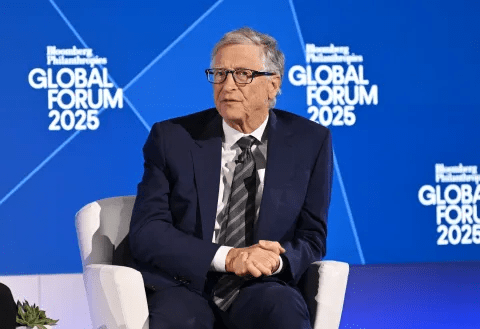
AI bioterrorism risk is no longer a theoretical concern. Bill Gates warns that artificial intelligence could be misused to create threats comparable to the COVID pandemic. In his latest annual letter, he states that AI will change society more than any prior human invention. Yet, alongside its benefits, he highlights severe global dangers if the technology is exploited by bad actors.
Gates positions AI bioterrorism risk as a leadership and governance failure waiting to happen. He argues that society is not adequately prepared for how powerful and accessible AI tools have become. This lack of readiness mirrors the world’s unpreparedness before COVID, a parallel he draws directly and deliberately.
Why Bill Gates sees AI bioterrorism risk as urgent
Gates recalls warning in 2015 that the world was not ready for a pandemic. He writes that better preparation would have reduced human suffering during COVID. Today, he believes the stakes are higher.
According to Gates, a non-government group could use open source AI tools to design a bioterrorism weapon. He describes this as an even greater risk than a naturally caused pandemic. The AI bioterrorism risk, therefore, stems from accessibility, speed, and scale. These factors make misuse harder to detect and contain.
As a result, Gates stresses urgency. Current societal efforts, he writes, are not enough to manage the risks emerging from AI.
Governing AI to manage bioterrorism and misuse risks
Gates identifies two major challenges from artificial intelligence. First, AI can be used by bad actors. Second, it may disrupt the job market. Both risks require deliberate management.
He emphasizes the need for careful development, governance, and deployment of AI systems. Without strong oversight, harmful outcomes could spread faster than regulatory or institutional responses.
Recent regulatory pressure on AI companies reflects this concern. Governments and firms are already confronting harmful AI-generated outcomes. These developments reinforce Gates’s warning that AI bioterrorism risk is part of a broader governance gap.
Organizations seeking structured approaches to AI readiness often explore global service ecosystems. Platforms such as https://uttkrist.com/explore/ provide insight into enabling services that support governance, strategy, and responsible deployment.
AI bioterrorism risk and the future of work
Beyond security threats, Gates also addresses labor disruption. There is no consensus on how deeply AI will affect employment. Some analysis suggests limited worker replacement. Others argue companies may frame layoffs around AI narratives.
Gates offers an alternative scenario. Instead of job losses, working hours could be reduced. In some cases, organizations may choose not to use AI in specific areas. He argues that AI capabilities could be distributed in ways that benefit society broadly.
Still, he is clear that change is already underway. Gates writes that AI’s impact on the job market will grow over the next five years. He urges policymakers to use 2026 to prepare for these shifts, including decisions on policies that address wealth distribution and the social role of work.
Leadership preparation in an AI-driven risk landscape
Across his letter, Gates returns to preparation. AI bioterrorism risk and workforce disruption are real and interconnected. Ignoring either would repeat the mistakes seen during the pandemic.
For executives and policymakers, this means moving beyond experimentation. Risk assessment, governance frameworks, and scenario planning must become operational priorities. Exploring structured business capabilities, such as those outlined at https://uttkrist.com/explore/, can help organizations move from awareness to readiness.
AI will reshape society. The question is whether leaders will prepare before risks scale beyond control.
Explore Business Solutions from Uttkrist and our Partners’, https://uttkrist.com/explore/
https://qlango.com/