CES 2026 reveals how consumer technology is quietly recalibrating
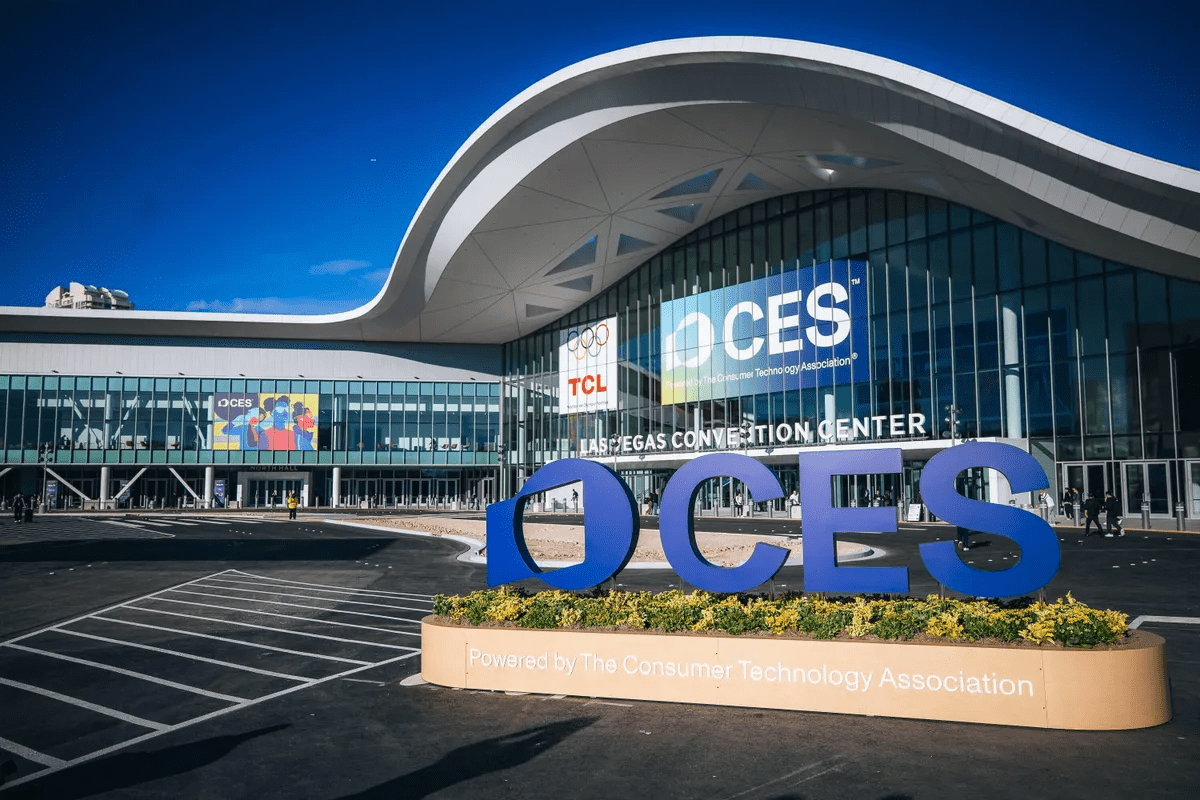
CES 2026 opened in Las Vegas with a familiar rhythm but a different undertone. The event is active, crowded, and packed with announcements, yet the messaging feels more restrained. Instead of chasing spectacle, companies are refining how products fit into everyday use.
The show floor reflects a broad mix of press briefings, hands-on previews, and early-stage concepts. Together, they offer a snapshot of where consumer technology is heading in 2026. The focus is less on disruption and more on execution, usability, and selective experimentation.
A show defined by experimentation, not guarantees
Several companies used CES to test unconventional ideas. Products like expandable displays, modular hardware components, and novel robotics concepts stood out. These releases emphasize exploration rather than immediate commercialization.
Many of these ideas remain prototypes or early concepts. That restraint matters. It signals that manufacturers are measuring response before committing resources. The event highlights curiosity, but also discipline.
Incremental progress takes center stage
Alongside concepts, many announcements focused on refinement. Battery life improvements, better displays, and usability upgrades dominated several product categories. These changes may appear modest, but they reflect market reality.
Consumers increasingly value reliability over novelty. As a result, companies are investing in improvements that strengthen daily use rather than redefining categories. CES 2026 reflects that shift clearly.
AI blends into products rather than leading them
Artificial intelligence appears across devices, but rarely as the headline feature. Instead, it operates quietly in the background. Smart home systems, wearables, and connected devices rely on AI to improve automation and responsiveness.
This approach suggests maturity. AI is no longer positioned as experimental. It is infrastructure. The competitive advantage now lies in how seamlessly it integrates into products without adding friction.
A crowded market moving cautiously
The volume of announcements underscores how competitive consumer technology has become. Many companies are addressing similar needs with incremental differences. At the same time, pricing details and launch timelines often remain vague.
This caution reflects uncertainty. Manufacturers are signaling intent while preserving flexibility. CES 2026 captures an industry balancing ambition with risk management.
Strategic signals for decision-makers
For leaders, CES 2026 offers clear signals. Differentiation increasingly comes from experience and form factor. AI is expected, not optional. Incremental value drives adoption more than bold claims.
Organizations interpreting these signals benefit from structured analysis and execution support. Explore the services of Uttkrist. Our services are global in nature and highly enabling for businesses of all types. Drop an inquiry in your suitable category at https://uttkrist.com/explore/ to evaluate how emerging trends align with business priorities.
Looking beyond the show floor
CES 2026 does not point to a single dominant trend. Instead, it documents a technology sector adjusting to maturity. Experimentation continues, but it is more targeted. Innovation is quieter, more practical, and closely tied to user value.
As companies digest what CES 2026 represents, the central question remains: how should businesses balance experimentation with disciplined execution in a market that rewards both restraint and clarity?
Explore Business Solutions from Uttkrist and our Partners’, https://uttkrist.com/explore