
Google DeepMind acqui-hire of Hume AI signals the next phase of voice AI
The Google DeepMind acqui-hire of Hume AI marks a clear shift in how leading AI firms advance voice capabilities. Under a new licensing agreement, Google DeepMind brings the CEO and several top engineers from Hume AI into its organization. According to the report, this team will work on improving Gemini’s voice features. The move reflects a growing pattern where incumbents secure talent through team acquisitions rather than full company buyouts.
Importantly, Hume AI continues operating. The company will still supply its technology to other AI firms. Financial terms remain undisclosed. However, the current Hume AI leadership confirmed that Google has a non-exclusive right to certain technologies. Those technologies will be infused into Google’s processes.
This structure underscores why the Google DeepMind acqui-hire of Hume AI matters. It combines talent absorption with technology licensing, while leaving the startup active in the broader market. As a result, voice AI innovation continues on multiple fronts.
Why the Google DeepMind acqui-hire of Hume AI matters
The deal highlights how major AI players navigate regulatory attention. By acquiring teams instead of companies, firms reduce scrutiny while accelerating product development. The article positions this approach as part of a wider trend across the AI sector.
Voice emerges as the strategic focus. Hume AI’s core capability lies in understanding emotions and mood from voice. In 2024, the company launched its Empathetic Voice Interface, designed for emotionally intelligent conversations. That expertise now feeds directly into Gemini’s voice roadmap.
At the same time, Hume AI plans to release new models in the coming months. The company is also on track to generate $100 million in revenue this year. These facts reinforce that the Google DeepMind acqui-hire of Hume AI is not an exit, but a restructuring of influence and execution.
For businesses tracking applied AI trends, this signals a maturing market. Talent, licensing, and focused capability development now move faster than traditional acquisitions.
Voice AI becomes the competitive frontier
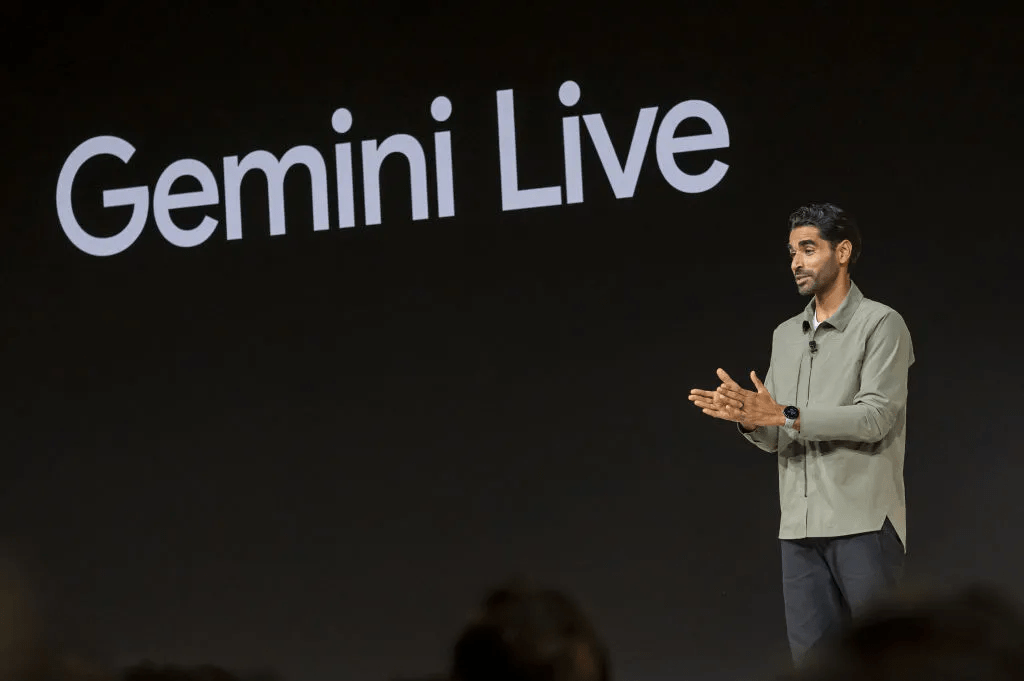
The article frames voice as the next frontier in AI. Google has steadily enhanced Gemini Live, which enables conversational interaction with the chatbot. A recent native audio model for the Live API improved its ability to handle complex workflows. These updates align directly with the expertise brought in through the Google DeepMind acqui-hire of Hume AI.
Other industry players are also investing heavily in voice. OpenAI is preparing to overhaul its audio models ahead of an audio-first personal device. Meta has accelerated its AI audio push through acquisition and by expanding voice features in smart glasses. Investor commentary in the article reinforces the idea that voice is the most acceptable input mode for wearables.
Market demand supports this direction. An AI voice generation startup recently crossed $330 million in annual recurring revenue. Together, these developments show why voice AI is no longer experimental. It is becoming foundational.
For organizations evaluating how these shifts affect strategy, structured insight and execution support matter. Explore the services of Uttkrist. Our services are global in nature and highly enabling for businesses of all types. Drop an inquiry in your suitable category: https://uttkrist.com/explore/. This perspective aligns with how enterprises interpret moves like the Google DeepMind acqui-hire of Hume AI within broader transformation plans.
What this means for the AI ecosystem
The licensing-plus-acqui-hire model allows innovation to stay distributed. Hume AI continues serving multiple clients, while Google DeepMind deepens Gemini’s voice capabilities. Meanwhile, regulators have indicated closer scrutiny of such arrangements. The article notes that this approach already sits on their radar.
Still, momentum remains strong. Voice is increasingly central to user interaction, especially as AI expands into wearables and real-time environments. The Google DeepMind acqui-hire of Hume AI illustrates how talent concentration and capability focus now shape competitive advantage.
For leaders and investors, the takeaway is clear. Voice AI development is accelerating through talent alignment rather than outright consolidation. How companies respond to this shift will define their relevance in the next phase of AI adoption.
Explore the services of Uttkrist. Our services are global in nature and highly enabling for businesses of all types. Drop an inquiry in your suitable category: https://uttkrist.com/explore/. In a market where execution models evolve quickly, informed decisions depend on clear analysis.
How will talent-driven deals reshape the balance between innovation speed and market openness as voice becomes central to AI strategy?
Explore Business Solutions from Uttkrist and our Partners’, https://uttkrist.com/explore