
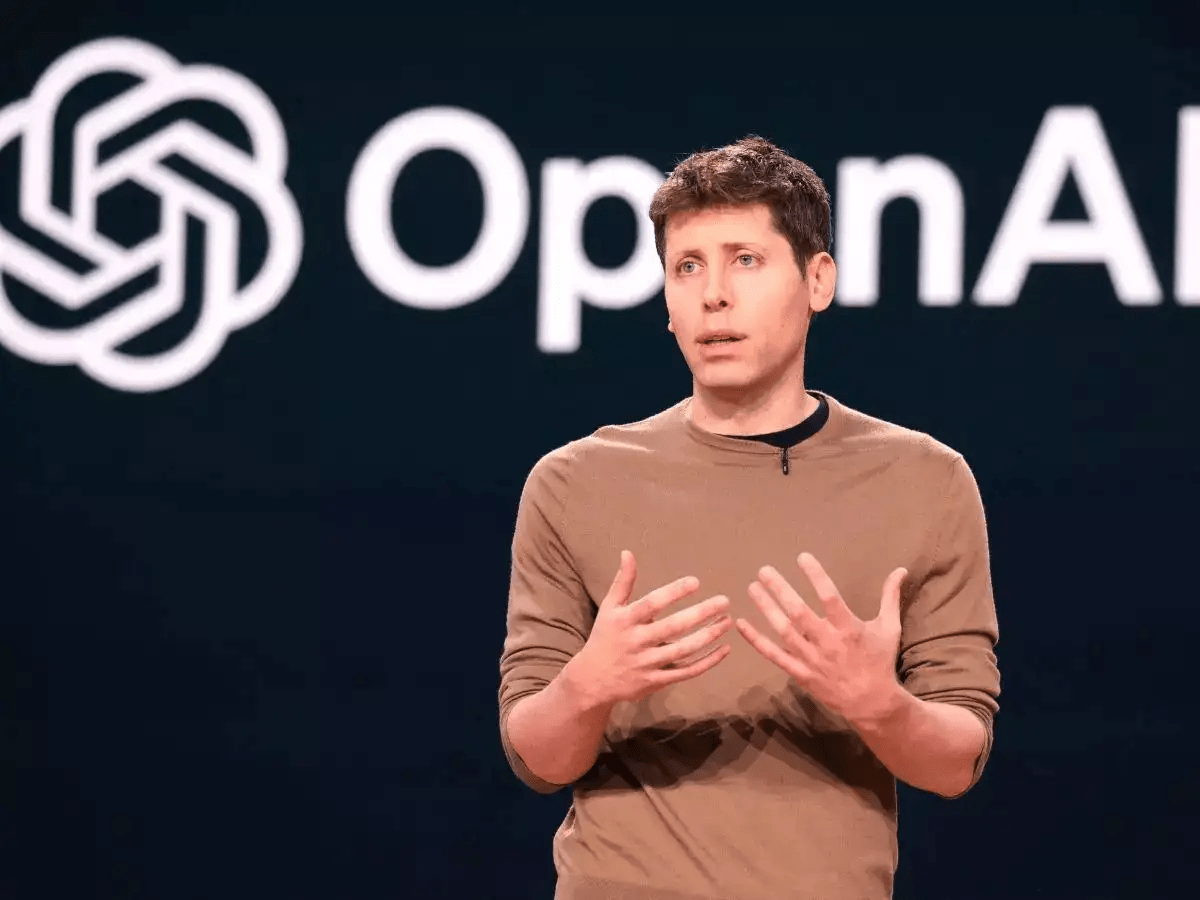
OpenAI buys Torch to strengthen ChatGPT Health data strategy
OpenAI buys Torch as part of its expanding focus on AI-driven health services. The company confirmed the acquisition of the small startup, while the financial terms were not disclosed publicly. However, an unnamed source said OpenAI paid $100 million in equity for the deal. As part of the acquisition, Torch’s four-person team will join OpenAI.
Importantly, this move directly supports OpenAI’s newly announced ChatGPT Health service. The acquisition ensures that both the people and the underlying technology move together. As a result, OpenAI accelerates its health ambitions without building a system from scratch. Moreover, the deal highlights how targeted acqui-hires continue to shape AI platform development.
Why OpenAI buys Torch for unified medical records
Torch was developing an app designed to combine a person’s medical data for AI use. Specifically, the app brought together records from doctor visits, lab tests, wearables, and multiple health portals. In addition, it included consumer wellness tests and related data sources.
The Torch team described this system as a medical memory for AI. In their words, it functioned as a context engine that unified scattered records. Therefore, the technology focused on organization rather than diagnosis or care delivery. This distinction matters. AI systems depend on structured context, and fragmented data limits usefulness.
Consequently, OpenAI buys Torch to internalize this capability. By doing so, OpenAI strengthens the foundation of ChatGPT Health at the data layer.
ChatGPT Health expands through an acqui-hire model
This acquisition follows an acqui-hire approach rather than a standalone product launch. Both companies confirmed that Torch’s team and technology will become part of OpenAI. As a result, ChatGPT Health gains immediate expertise and a working system.
Meanwhile, the Torch founders previously worked together at Forward Health. Forward was known for AI-powered doctors’ offices. However, the company shut down abruptly in late 2024 after raising more than $400 million. Torch co-founder Ilya Abyzov shared this background publicly.
In contrast, this acquisition leads to continuity instead of closure. The team’s work continues inside OpenAI. Therefore, the outcome differs sharply from Forward’s end, even though the talent originated there.
What OpenAI buys Torch signals for AI medical services
The deal sits firmly within the AI medical services category. OpenAI buys Torch at the same time it formally announces ChatGPT Health. The service is positioned for people who want to analyze and manage health information using the chatbot.
Notably, the focus is on data organization rather than hardware or clinics. Instead, the emphasis is on making health information usable for AI systems. As a result, the acquisition reflects a broader pattern across AI platforms. When context improves, service capability follows.
For organizations observing this shift, the lesson is practical. Capability-driven acquisitions often move faster than internal builds. In this context, businesses evaluating similar transformations often seek external enablement and advisory support. Explore the services of Uttkrist. Our services are global in nature and highly enabling for businesses of all types. Drop an inquiry in your suitable category: https://uttkrist.com/explore/
Ultimately, OpenAI buys Torch to compress timelines and strengthen ChatGPT Health at its core. The move underscores how small, focused teams can materially influence large AI platforms.
What does this acquisition suggest about how AI platforms will structure health data services going forward?
Explore Business Solutions from Uttkrist and our Partners’, https://uttkrist.com/explore
https://qlango.com/