Satya Nadella on AI Slop and the Shift Beyond Models
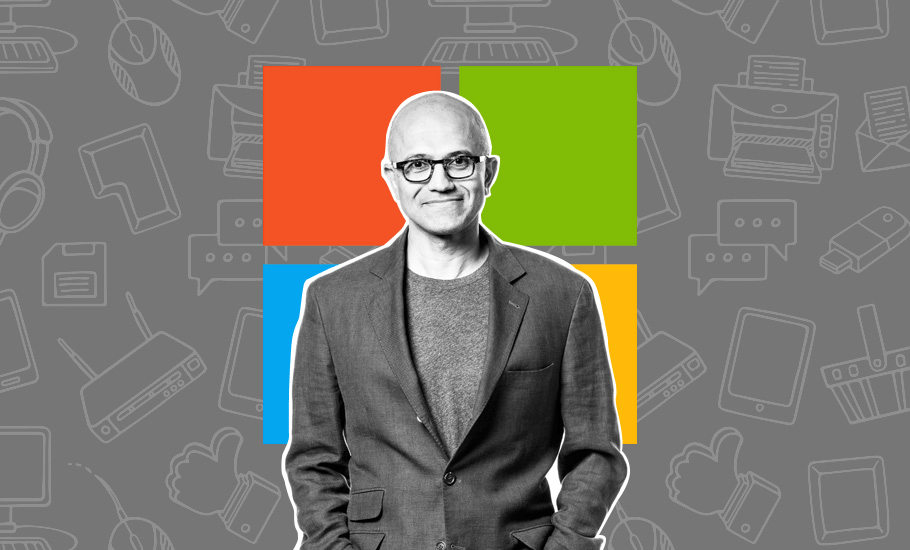
The debate around AI slop is no longer theoretical. According to Satya Nadella, it risks distracting leaders from the real work ahead. As the CEO of Microsoft shifts his attention toward blogging, he frames 2026 as a turning point. He argues that the industry must move beyond AI slop versus sophistication. Instead, it must define how humans use AI meaningfully.
In his first post on a personal blog called “sn scratchpad,” Nadella addresses where AI still falls short. He stresses that the argument over AI slop misses the bigger issue. The focus should be on how AI becomes a cognitive amplifier. This perspective echoes older ideas about technology as a tool. However, it updates them for an AI-driven era.
Moving Beyond the AI Slop Debate
Nadella calls for moving beyond AI slop debates because they stall progress. He references the need for a new equilibrium in how humans interact with AI systems. This includes rethinking the “bicycles for the mind” concept popularized by Steve Jobs. In Nadella’s view, AI must support human thinking rather than replace it.
At the same time, Microsoft is betting heavily on AI agents. These agents matter more to its future than legacy software like Office or Windows. As a result, the company wants users to rely on AI agents as tools for creation. Even so, Nadella admits much of today’s output still qualifies as AI slop.
This tension highlights a real industry challenge. Creatives fear displacement as AI models replicate artistic styles. Meanwhile, companies push forward, hoping better systems will reduce low-quality output.
Copilot, AI Agents, and Reality Gaps
Microsoft envisions widespread use of its AI assistant, Copilot. Nadella describes a future where people use voice-driven AI to create content and search information. However, he also acknowledges a gap. Today’s reality does not yet match this vision.
Despite this mismatch, Microsoft continues to invest in improved AI models. This strategy aligns with broader industry trends. Nadella has been part of competitive efforts involving OpenAI, Google, and Anthropic. Still, he argues that model power alone does not determine impact. Instead, how people apply AI matters more.
This framing shifts the AI slop discussion. It moves the focus from raw capability to responsible deployment.
From Models to Systems With Real Impact
Nadella emphasizes a transition from models to systems. He believes AI must be deployed for real-world impact. These systems must consider societal effects on people and the planet. He also highlights limits on energy, compute, and talent resources.
Therefore, consensus matters. The industry must agree on where to apply AI effectively. Without that alignment, AI slop will persist. With it, AI could deliver meaningful outcomes rather than noise.
For business leaders navigating this shift, platforms that explore structured approaches can help. You can explore perspectives and capabilities through Uttkrist’s ecosystem. To do so, visit https://uttkrist.com/explore/ and review solutions designed for global businesses.
Why 2026 Matters for AI Direction
Nadella calls 2026 a pivotal year for AI. He suggests the industry now understands its trajectory better than before. This clarity could determine whether AI evolves beyond slop into trusted systems.
He plans to publish more reflections throughout the year. These notes will focus on technology advances and real-world impact. Ultimately, the success of AI will depend on disciplined choices, not louder debates.
Leaders should ask themselves a simple question. Will their AI strategy reduce noise or create lasting value?
Explore Business Solutions from Uttkrist and our Partners’, https://uttkrist.com/explore/