Tesla Model S and Model X Production Ends as Company Shifts Focus
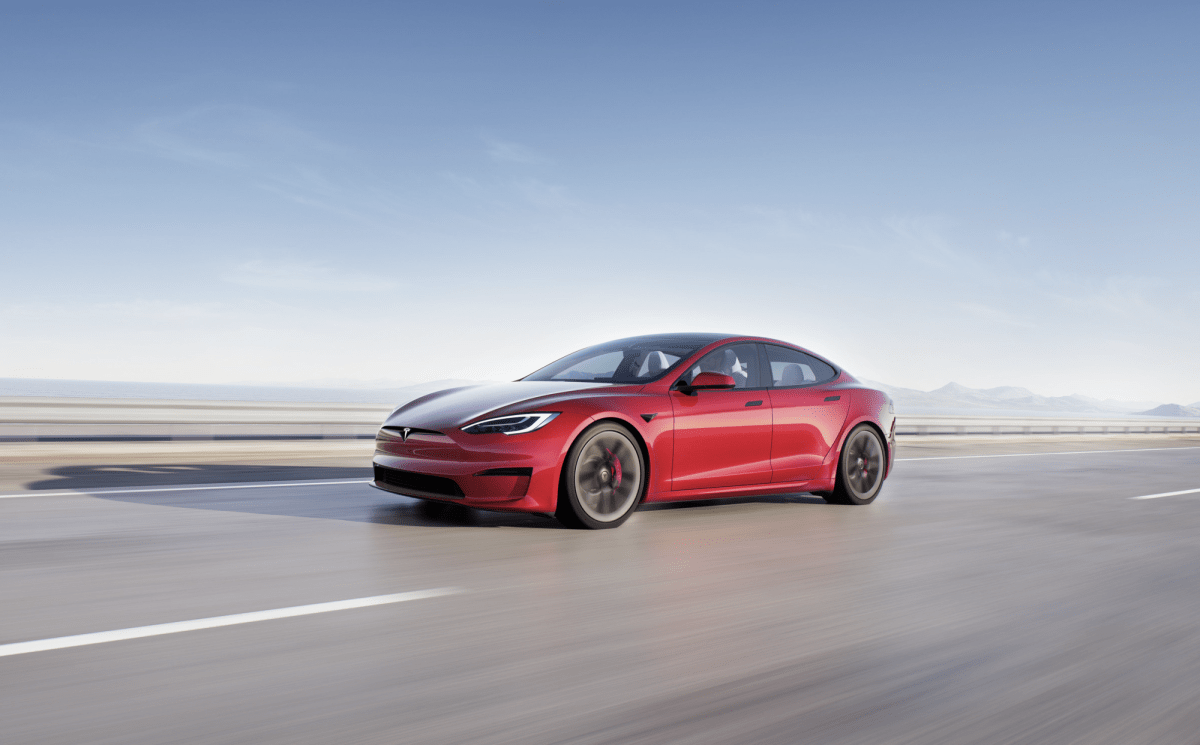
Tesla Model S and Model X production ends after a long run that shaped the electric vehicle market. The decision was confirmed during the company’s quarterly earnings call. Production will stop next quarter. Existing owners will continue to receive support for as long as they keep their vehicles.
This move marks a clear strategic reset. Tesla is moving toward a future centered on autonomy. As a result, legacy programs no longer align with long-term priorities. Buyers interested in these vehicles are now facing a closing window.
The change also reflects how product portfolios evolve as companies scale. Early successes eventually give way to new bets. In this case, autonomy and robotics define the next phase.
To explore how strategic transitions affect global businesses across sectors, readers can review insights and advisory services at <a href=”https://uttkrist.com/explore/”>https://uttkrist.com/explore/</a>.
Tesla Fremont Factory Transition and Production Shift
Both vehicles are built at Tesla’s Fremont, California factory. Once production ends, the same space will be repurposed. The company plans to build Optimus robots there.
This shift signals more than a manufacturing change. It shows capital and space being redirected toward future-facing programs. Meanwhile, Cybertruck production will continue at the Austin factory.
Manufacturing realignment often reveals strategic intent. Here, Tesla is clearly reallocating resources toward autonomy and robotics rather than legacy vehicle lines.
Model S Legacy in Electric Vehicle History
The Model S launched in 2012 and became Tesla’s first ground-up vehicle. It helped make electric vehicles appealing to a broader market. Early demand was strong, with over 10,000 reservations before deliveries began.
The sedan introduced key innovations. A floor-mounted battery improved space and handling. Multiple battery options allowed buyers to trade price for range.
Over time, the Model S set benchmarks. It earned major industry recognition and later introduced features like Ludicrous Mode. Continuous updates followed, including a full refresh in 2021.
However, Tesla’s growth increasingly depended on more affordable models. As Model 3 and Model Y scaled, the Model S became less central to revenue and volume.
Model X Complexity and Production Challenges
The Model X followed a different path. Teased in 2012, it launched in 2015 with Falcon Wing doors. These doors improved access but added production complexity.
Quality and scalability issues persisted. The vehicle earned a reputation for being difficult to manufacture consistently. Even after a major refresh in 2021, production challenges remained.
At one point, production pauses created further delays. Leadership later acknowledged mistakes in sequencing the redesign and scale-up.
Despite reasonable sales, the Model X never achieved the operational simplicity Tesla aimed for in later programs.
Why the End of Model S and Model X Was Inevitable
In hindsight, the retirement of both vehicles was expected. Years earlier, leadership described them as niche products. Their importance to the company’s future was already diminishing.
Sales volumes declined over time. Competition increased in the luxury electric vehicle segment. Newer automakers and established brands entered the space.
Meanwhile, Tesla’s attention shifted to new projects. The Cybertruck failed to meet early expectations. Still, it delayed tougher decisions by being grouped with other models in reporting.
Ultimately, Tesla now defines itself around autonomy and robotics. That focus made legacy vehicles harder to justify.
Organizations facing similar inflection points often seek external perspective. Strategic advisory platforms like https://uttkrist.com/explore/ help leaders evaluate when to exit legacy products and reallocate resources.
For broader AI and language technology developments shaping global markets, additional context can be found at https://qlango.com/
As Tesla closes this chapter, the larger question remains: how should companies balance honoring foundational products while decisively committing to the future?
Explore Business Solutions from Uttkrist and our Partners’, https://uttkrist.com/explore