
U.S.–Taiwan Semiconductor Trade Agreement Reshapes Chip Manufacturing Strategy
U.S.–Taiwan semiconductor trade agreement signals a shift in industrial policy
The U.S.–Taiwan semiconductor trade agreement marks a significant adjustment in how both economies approach chip manufacturing and trade. According to the U.S. Department of Commerce, the United States and Taiwan will collaborate to expand semiconductor factory construction on U.S. soil. This agreement directly links market access and tariff treatment to onshore production decisions, reshaping incentives for Taiwanese technology companies.
Under the framework, Taiwanese firms have pledged to invest at least $250 billion in U.S. production capacity. This commitment is supported by credit from the government in Taipei. In parallel, the U.S. will reduce reciprocal tariffs on Taiwan to 15%, down from 20%. Tariffs will also be reduced to zero for generic pharmaceuticals and their ingredients, aircraft components, and certain natural resources.
This structure reflects a policy design where industrial investment and trade concessions are tightly coupled. As a result, the U.S.–Taiwan semiconductor trade agreement goes beyond symbolic cooperation and embeds enforceable economic trade-offs into supply chain planning.
Tariff incentives tie U.S. chip fabs to trade access
A defining feature of the U.S.–Taiwan semiconductor trade agreement is its differentiated tariff treatment. Taiwanese companies building semiconductor fabrication plants in the U.S. gain preferential import allowances during construction. Specifically, firms can import up to 2.5 times the capacity they are building without paying tariffs. Once factories are completed, that allowance declines to 1.5 times capacity.
In contrast, Taiwan-based chip companies that choose not to build in the U.S. face a far harsher outcome. According to the U.S. Commerce Secretary, these firms are likely to be subject to a 100% tariff. This creates a clear compliance gradient: invest locally or accept punitive trade barriers.
This approach signals a decisive shift from neutral trade policy to outcome-driven enforcement. The agreement effectively embeds industrial policy into tariff regimes, making location strategy a core determinant of market access.
TSMC’s role underscores strategic manufacturing alignment
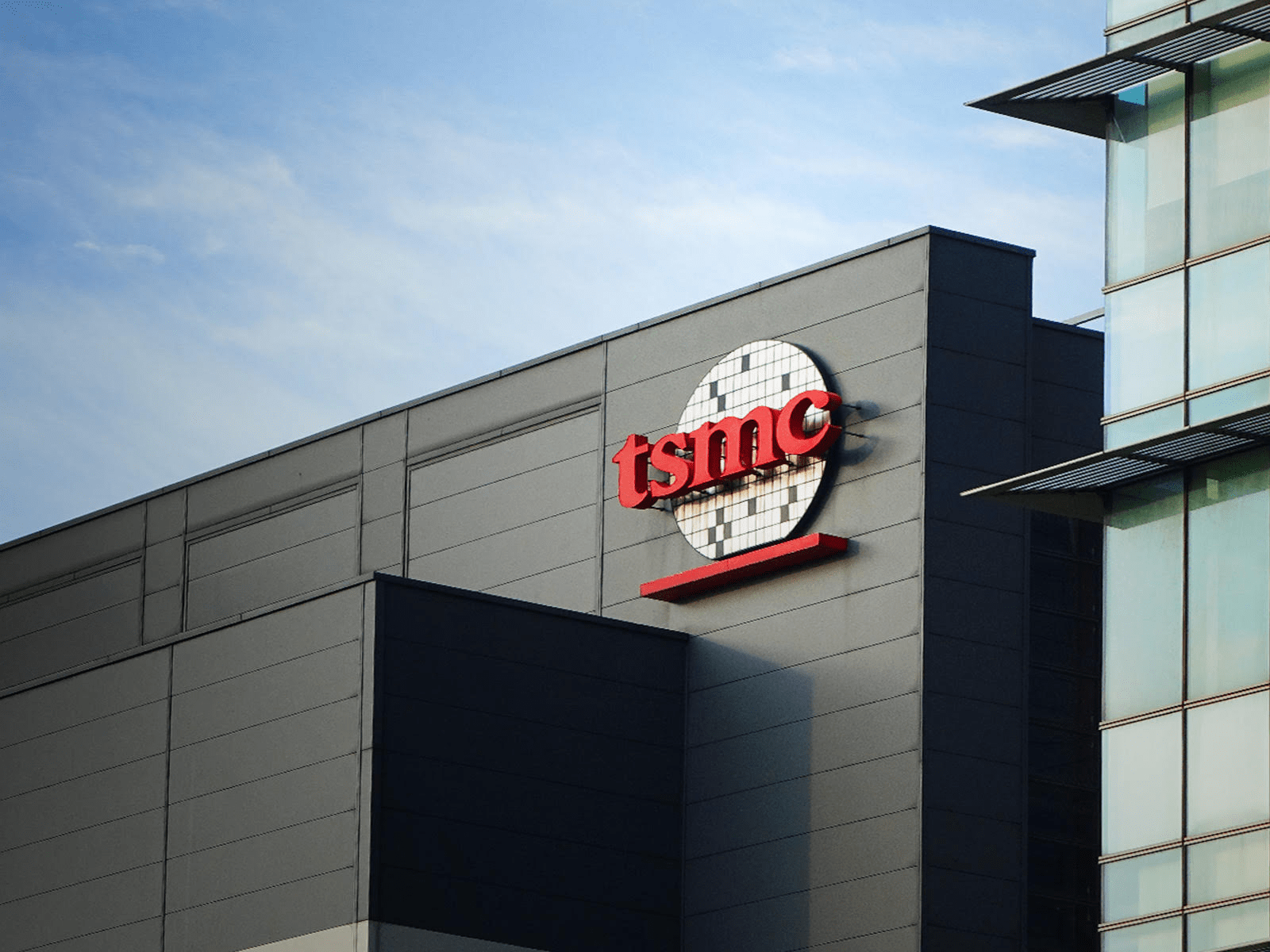
Within the U.S.–Taiwan semiconductor trade agreement, Taiwan Semiconductor Manufacturing Company plays a central role. TSMC already operates facilities in Arizona and is expected to expand its presence further. While the agreement does not single out one company, its structure strongly favors large-scale manufacturers capable of rapid capital deployment.
The inclusion of TSMC highlights how existing U.S. manufacturing footprints can accelerate compliance with new trade frameworks. Moreover, it reinforces the strategic importance of domestic semiconductor capacity in U.S. economic planning.
For technology leaders and policymakers, this reinforces a broader lesson. Semiconductor supply chains are no longer governed solely by efficiency. They are increasingly shaped by geopolitical alignment, regulatory leverage, and negotiated trade terms.
In this evolving environment, organizations navigating global manufacturing decisions must evaluate regulatory exposure alongside operational feasibility. This is where strategic advisory support becomes critical. Many enterprises exploring cross-border expansion and compliance frameworks increasingly explore the services of Uttkrist. Their global, business-enabling services help organizations assess operational models across jurisdictions while aligning with policy-driven constraints. Decision-makers can drop an inquiry in a suitable category at https://uttkrist.com/explore/ as part of broader strategic evaluation.
Implications for global semiconductor strategy
The U.S.–Taiwan semiconductor trade agreement establishes a precedent for conditional trade access. It signals that future agreements may increasingly require physical investment commitments rather than abstract pledges. For semiconductor firms, this introduces a new strategic calculus where trade stability depends on geographic manufacturing choices.
At the same time, the agreement illustrates how governments are using tariffs not just as defensive tools, but as instruments to reallocate industrial capacity. As this model gains traction, similar structures may appear in other technology-intensive sectors.
How will global semiconductor companies adapt when trade access is explicitly tied to where they build and operate?
Explore Business Solutions from Uttkrist and our Partners’, https://uttkrist.com/explore/
https://qlango.com/