Waymo Renames Zeekr Robotaxi to Ojai Ahead of Commercial Launch
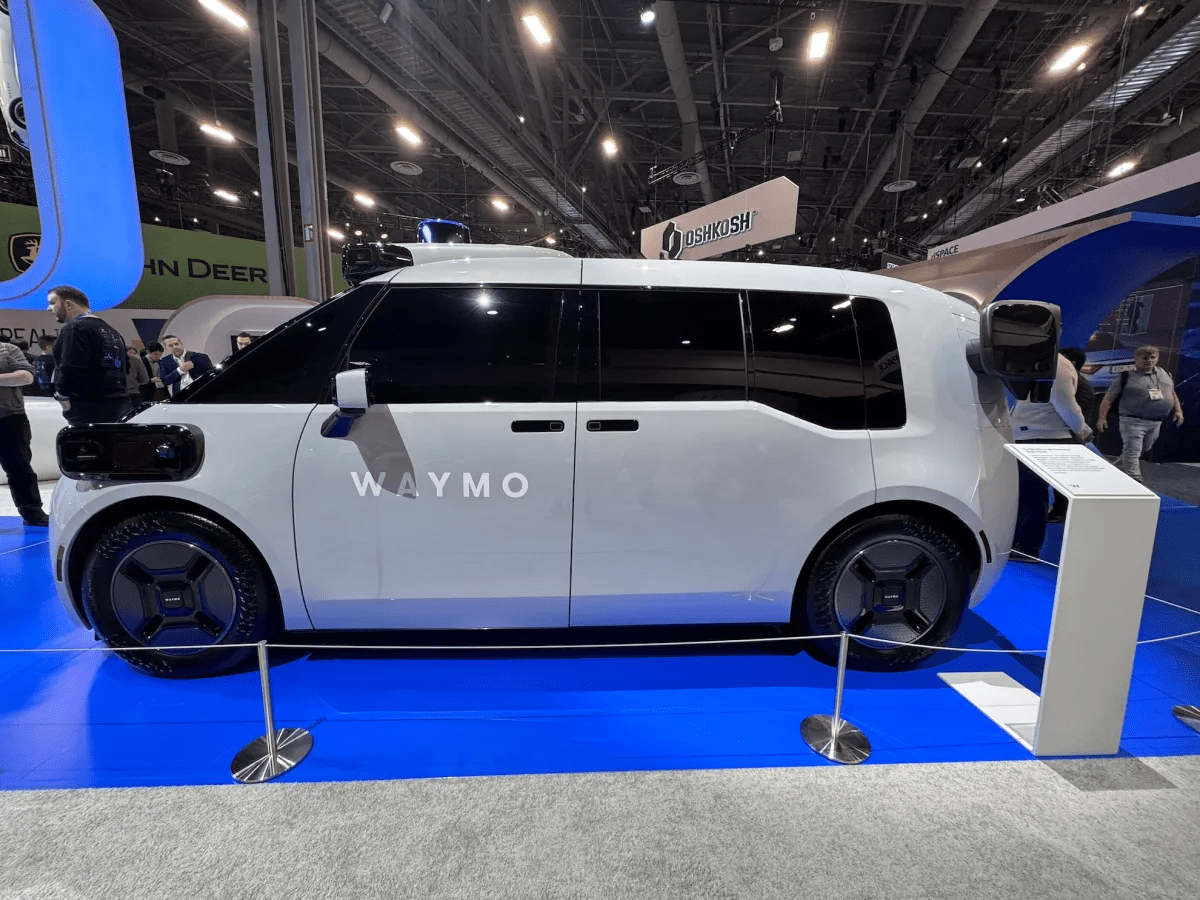
Waymo has renamed its Zeekr RT robotaxi to Ojai ahead of commercial deployment. The change comes after three years of refinement and testing. The company confirmed the update before the vehicle officially joins its commercial fleet.
The robotaxi, previously known as the Zeekr RT, is a minivan-style vehicle built by Chinese automaker Zeekr. Waymo stated the new name reflects a clearer, more familiar identity for U.S. riders. The name Ojai is pronounced “oh-hi” and references a village in the Topatopa Mountains above Los Angeles, known for its arts community and focus on wellness.
This renaming signals Waymo’s final positioning move before wider public availability. It also reflects how branding decisions increasingly shape trust and adoption in autonomous mobility.
Why Waymo Renamed the Zeekr Robotaxi to Ojai
Waymo explained that the U.S. public is not familiar with the Zeekr brand. As a result, the company decided to adopt a name that resonates more naturally with American riders.
The branding may extend into the rider experience itself. According to Waymo, passengers entering the Ojai robotaxi will be greeted with “Oh hi” followed by their name. While subtle, this approach aligns the vehicle’s identity with a more personal and approachable tone.
The decision also coincides with broader sensitivity around global supply chains and brand perception. However, Waymo’s stated rationale focused strictly on customer familiarity and experience.
The Zeekr Partnership and Vehicle Development Timeline
Waymo first partnered with Geely Holding Group–owned Zeekr in 2021. The following year, the company revealed a purpose-built robotaxi concept in Los Angeles.
That prototype was based on Zeekr’s SEA-M architecture, designed for future mobility products such as robotaxis and logistics vehicles. Notably, the early prototype did not include a steering wheel.
The Ojai robotaxi shown at CES 2026 does include a steering wheel. This design evolution reflects iterative development as the vehicle moved closer to commercial readiness.
Hardware, Design Updates, and Testing Progress
The Ojai robotaxi has undergone fine-tuning through testing in Phoenix and San Francisco. Waymo previously showcased the vehicle’s hardware at CES, including 13 cameras, four lidar units, six radar systems, external audio receivers, and compact sensor wipers.
That hardware suite remains unchanged. However, Waymo adjusted the exterior paint color. The earlier blue-tinted finish has been replaced with a more silver appearance.
These updates occurred as part of final preparations before launch. Currently, Waymo employees, along with their family and friends, can hail the vehicle in San Francisco and Phoenix. This stage typically precedes full public availability.
Commercial Expansion and Market Readiness
Waymo is in a phase of rapid expansion. The company already operates a commercial robotaxi service in Atlanta, Austin, Los Angeles, Phoenix, and San Francisco.
Over the next year, Waymo plans to launch in a dozen additional cities. These include Denver, Las Vegas, and London. The renaming of the Zeekr robotaxi to Ojai aligns with this expansion strategy, ensuring consistent branding as the service scales across regions.
As autonomous services move closer to mainstream adoption, clarity in naming, design, and user experience becomes operationally critical. Leaders across industries are watching how such details influence public trust and regulatory confidence. For organizations navigating similar scale-up transitions, it is worth examining how positioning choices intersect with execution. You can explore structured approaches to operational readiness and market alignment through the insights available at https://uttkrist.com/explore/
How much do naming and user-facing details influence acceptance when advanced technology enters everyday life?
Explore Business Solutions from Uttkrist and our Partners’, https://uttkrist.com/explore/